
821 million people went to bed hungry last night.
We study why.
We publish how to stop it.
The 12th Annual Food Security Summit brings together 400+ researchers, policymakers, funders, and planners to translate evidence into legislation.
Annual Summit
States Researched
Bills Influenced
Attendees Expected
Where hunger hides —
and what the data shows
We don't study hunger in the abstract. Every dataset points to a specific place, a specific gap, a specific policy that can close it.
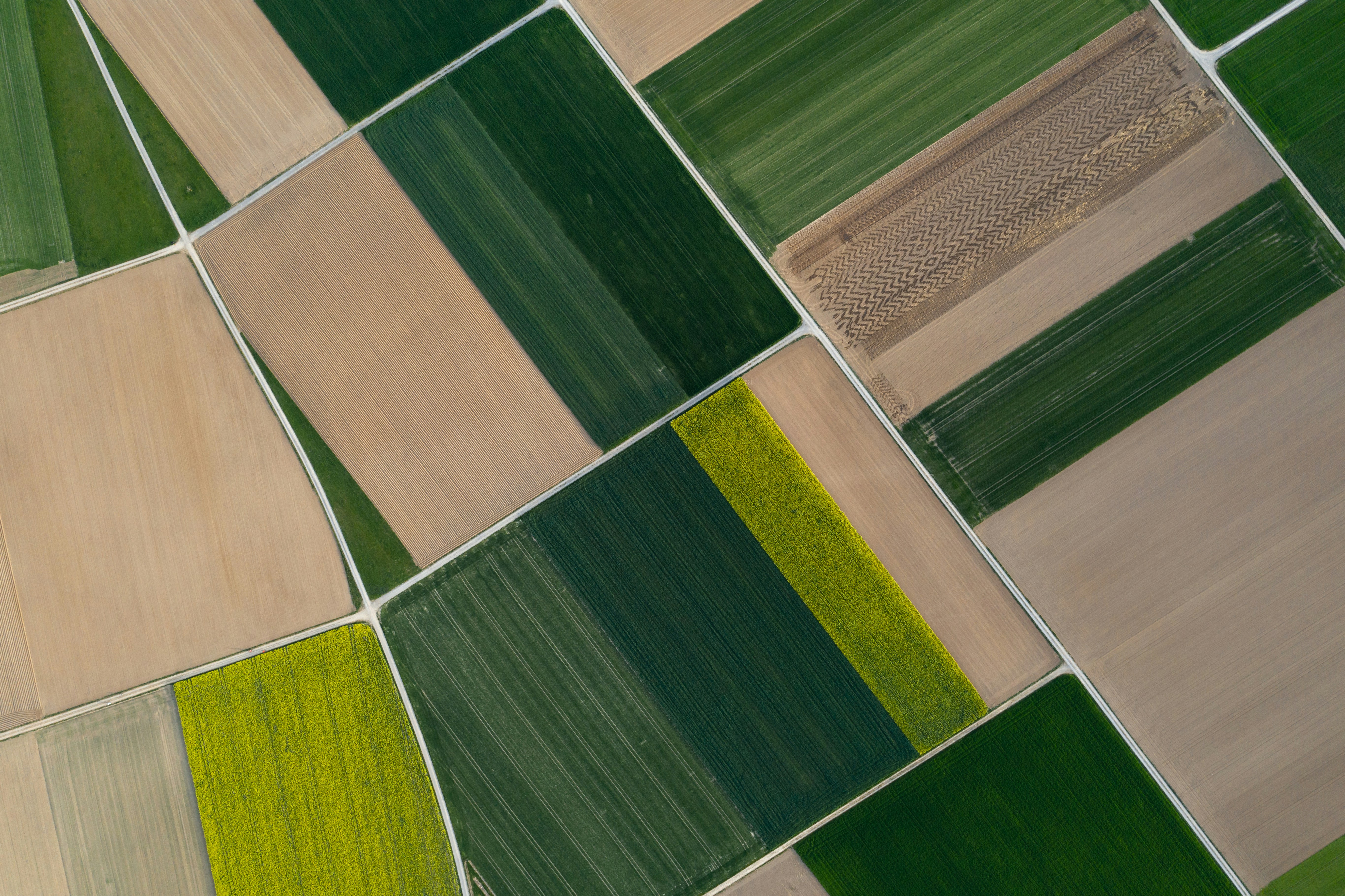
In rural Arkansas, the nearest fresh produce is 27 miles from 14,000 households
Our GIS-enabled food access index maps grocery gaps at the census tract level across all 50 states — updated quarterly with SNAP retailer data.

Iron content in U.S. spinach has declined 33% since 1975 due to soil depletion
We track how industrial agriculture is quietly reducing the nutritional density of the food that does reach tables.

1 in 6 U.S. school districts reports chronic breakfast program shortfalls on Mondays — after weekends without food
Analyzing NSLP participation data to surface the hidden weekend hunger gap that Monday breakfast numbers reveal.
Research that moves
from page to policy
Every study we publish is written with a legislator's inbox in mind. These are the victories that prove it works.
"The Harvest Institute's food desert mapping data was the evidentiary backbone of the Rural Nutrition Infrastructure Act. Without their census-tract-level analysis, we were arguing in the abstract. With it, we were pointing to specific zip codes."
Sen. Maria Delgado
Chair, Senate Agriculture Subcommittee on Nutrition
The researchers asking
the questions that matter
Each speaker was selected not for their credentials, but for the specific question their work is positioned to answer.

Dr. Amara Osei-Bonsu
Director of Food Systems Research
Johns Hopkins Bloomberg School of Public Health
How does a three-mile gap between a family and fresh produce translate into a generation of preventable disease?
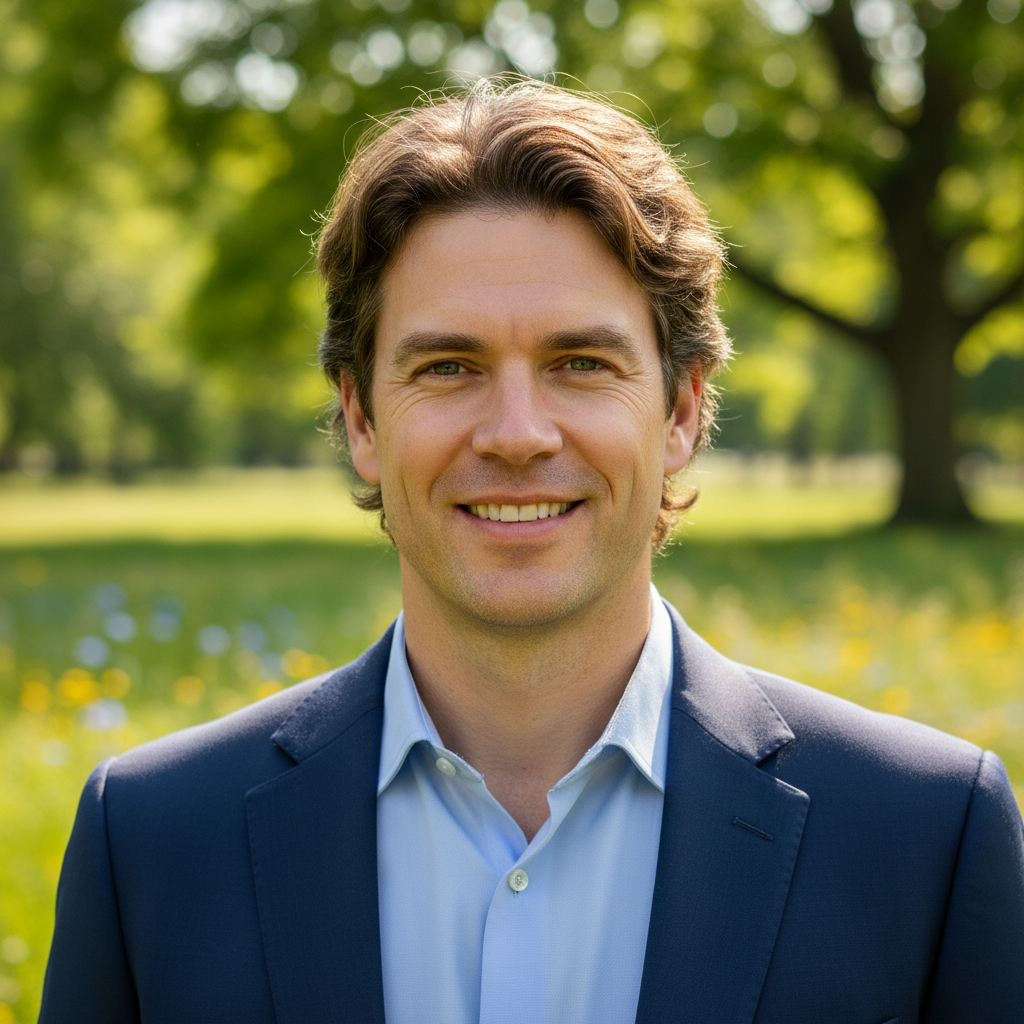
Prof. David Whitehorse
Professor of Agricultural Economics
University of California, Davis
When soil loses its nutrients, who loses their health first — and why does the data always point to the same zip codes?

Carmen Reyes-Villanueva
Senior Policy Advisor
USDA Food and Nutrition Service
What would SNAP look like if it were designed around a map of food deserts rather than a map of existing retailers?
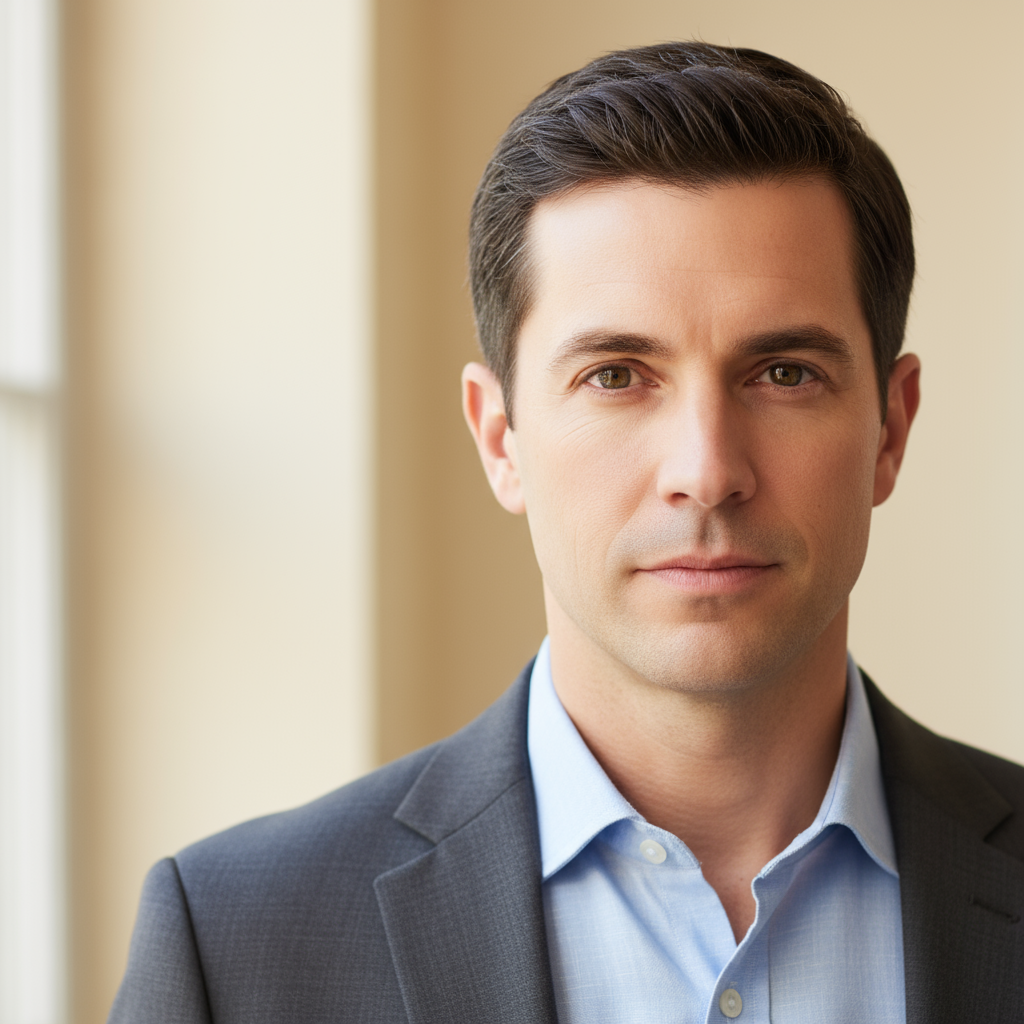
Dr. James Okonkwo
Urban Food Systems Fellow
MIT Media Lab
Can a city redesign its grocery infrastructure the same way it redesigns its transit network — and what stands in the way?
"The gap between knowing and doing is not a knowledge gap.
It's a convening gap."
— Harvest Institute, Founding Charter, 2014
Join 400+ researchers, policymakers,
and the people who fund the work
Washington, D.C. · The Willard InterContinental · Seats are limited to ensure breakout session quality.